By robynecobloom 2025-01-10
Driving Sustainable Innovations in CEA: Insights for 2025
Driving Sustainable Innovations in CEA: Insights for 2025
As pioneers and leaders in the CEA sector, staying ahead means adopting practices and technologies that boost efficiency, sustainability, and crop quality. Recent research has highlighted innovative approaches that align with these goals, offering actionable insights for greenhouse operators and vertical farm owners alike.
Enhancing Nutritional Value with Astaxanthin
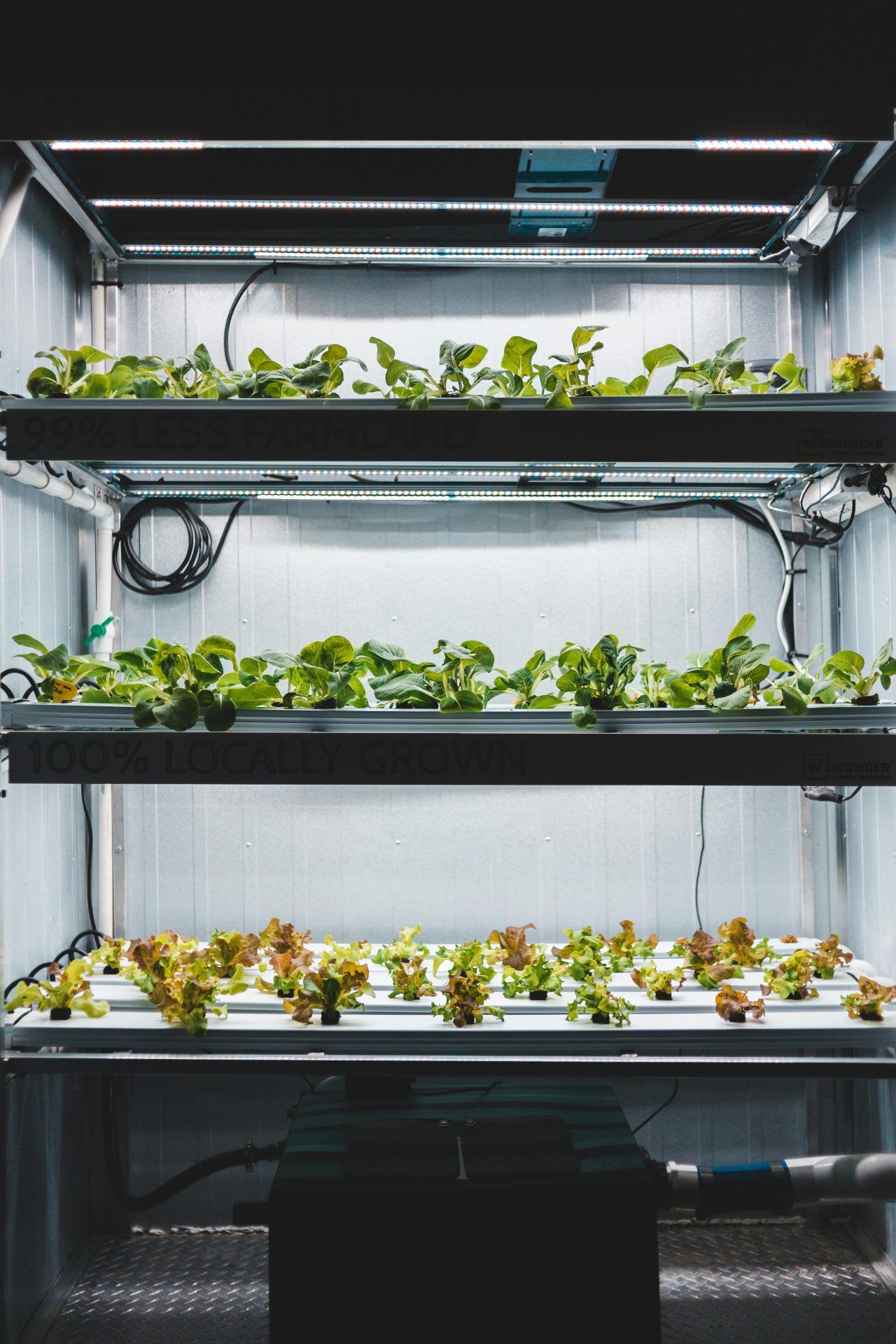
A new study explored the impact of leaf-applied astaxanthin on hydroponically grown lettuce. Astaxanthin, a potent antioxidant, not only reduced nitrate accumulation but also significantly improved the functional traits of the lettuce. For CEA operators, this means the potential to produce more nutrient-dense crops that meet growing consumer demands for healthier, premium produce. Integrating such techniques could align perfectly with modern trends in functional foods, offering a competitive edge in niche markets.
Revolutionizing Growth Media with Hydroponic Fiber Mats
Another study shed light on how hydroponic fiber mats can influence nutrient use efficiency and shoot growth. The research emphasized the mats’ ability to support robust plant development while optimizing water and nutrient uptake. For CEA farms seeking sustainable and scalable growth solutions, fiber mats present a promising alternative to traditional substrates. This innovation aligns with the industry’s drive toward reducing input waste while maintaining high yields.
Bridging Research and Real-World Applications
Technologies like EcoSense complement these advancements by providing real-time monitoring of environmental factors and nutrient conditions these new advancements provide. From detecting subtle changes in plant health to optimizing nutrient application, EcoSense enables growers to implement research-backed techniques with precision.
The future and present of CEA lies in integrating data-driven tools and research-backed practices to stay competitive and sustainable. By adopting innovations like these, farms can achieve higher productivity, reduced waste, and greater market differentiation.
Share post: